How Much Ginkgo Biloba Is in Neuro Lift and What Studies Found
Quick answer
Ginkgo biloba leaf extract is the second ingredient in the NeuroLift 635 mg blend, and the label does not publish its amount. Ginkgo is the herb with the most memory research, and the largest trial gave 240 mg a day to 3,069 older adults for a median of 6.1 years. Ginkgo may raise bleeding risk with blood thinners, so ask first if you take one.
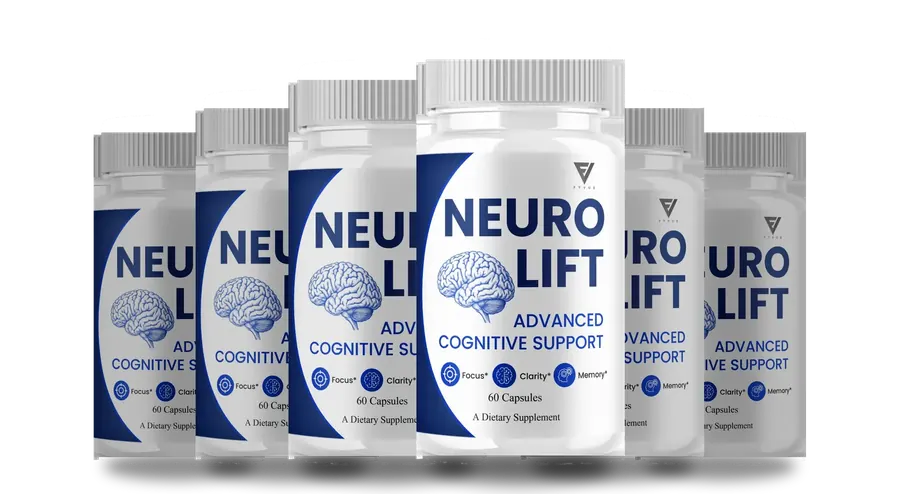
Ginkgo biloba is one of the best-known names on the Neuro Lift label, so it is a natural thing to look up. People search for Neuro Lift ginkgo biloba, or NeuroLift ginkgo, to learn how much is inside, what the research says and whether it is safe with their medicines.
This post answers those three questions from the label and from public health sources. Where the label leaves a number out, we say so.
Key facts
- Label name: ginkgo biloba leaf extract.
- Place: second of ten ingredients in the 635 mg WMG-NVT Exclusive Blend.
- Amount per 2 capsules: not published.
- Largest trial dose: 240 mg a day, taken as 120 mg twice.
- Most common side effects listed: dizziness, stomach upset and headache.
- Main caution: possible bleeding risk with blood thinners.
Where does ginkgo biloba show up on the Neuro Lift label?
Ginkgo is the second name in the WMG-NVT Exclusive Blend, a 635 mg mix of ten botanicals and nutrients. It sits right after cinnamon bark extract. The panel prints the weight of the whole blend only, so the amount of ginkgo in each 2-capsule serving is not published.
Blend ingredients are listed from heaviest to lightest (FDA, Dietary Supplement Labeling Guide, Ch. IV). That means ginkgo is one of the larger parts of the blend. Two of its neighbors print a strength: bacopa (at least 20% bacosides) and green tea (at least 50% EGCG). Ginkgo has no strength figure, which makes it harder to match against any one study.
The full panel is explained line by line on the Neuro Lift Supplement Facts page.
What is ginkgo biloba extract?
Ginkgo biloba is a tree, and supplements use an extract made from its leaves. It is the herb with the most memory research behind it, which is one reason it appears in so many focus and memory formulas.
| Detail | In the largest trial | On the Neuro Lift label |
|---|---|---|
| Plant part | Leaf extract | Leaf extract |
| Named extract | EGb 761, a standardized product | No name given |
| Amount a day | 240 mg, taken as 120 mg twice | Not published |
| Length of use | Median of 6.1 years | No timeline printed |
A trial result belongs to the extract and the dose that were tested. When a label names neither, the result is useful background, not a promise about the capsule.
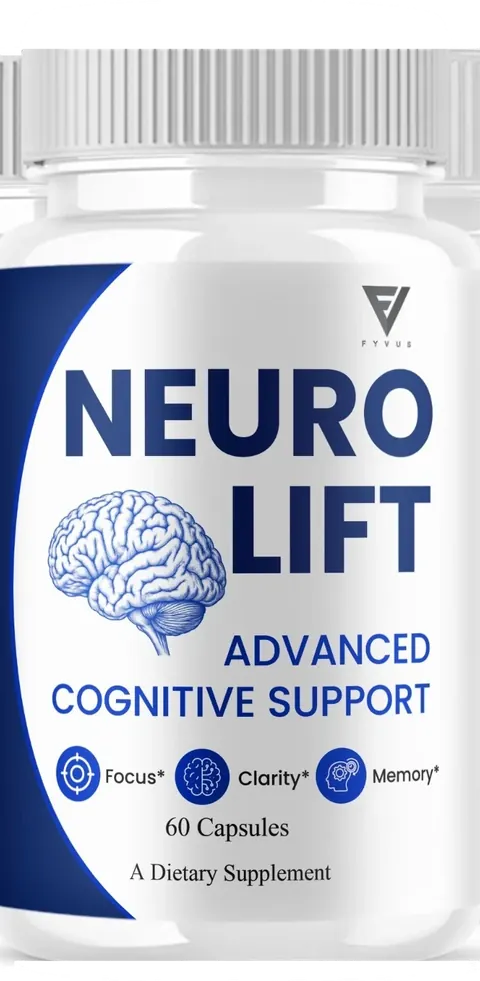
Want to see the bottle and the full panel before you decide? The order page shows the label photos, the price and the return terms.
We earn a commission if you order through this button. The price you pay does not change.
What has research found about ginkgo and memory?
The largest study is the GEM trial. It gave 3,069 adults aged 72 to 96 either ginkgo extract or a placebo and followed them for a median of 6.1 years (JAMA 2009, Snitz et al., GEM cognitive decline trial). In that trial, ginkgo did not lead to less decline in thinking than the placebo did.
A Cochrane review of 36 trials, most of them small and shorter than three months, found the results inconsistent (Cochrane, Ginkgo biloba for dementia and cognitive impairment). NCCIH mentions hints of help for dementia symptoms at fairly high doses, but also calls the results inconsistent (NCCIH, Ginkgo: Usefulness and Safety). Those findings are about people who already have dementia.
Neuro Lift is a dietary supplement for adults, sold as cognitive support for focus, clarity and memory. It is not sold for any disease, and a ginkgo trial is not a test of this capsule. Read ginkgo as one part of a ten-ingredient blend.
Could the 635 mg blend hold the trial dose of ginkgo?
Only by leaving little room for the rest. Since ginkgo sits second, cinnamon must weigh at least as much. If ginkgo were 240 mg, cinnamon would be 240 mg or more, which leaves at most 155 mg for the other eight ingredients.
| How the blend might be split | Ginkgo | Left for the other eight |
|---|---|---|
| All ten get the same share | About 63.5 mg | About 508 mg |
| Ginkgo at the GEM dose | 240 mg | At most 155 mg |
| Ginkgo as large as the order allows | About 317 mg | Close to nothing |
The likely picture is a moderate amount of ginkgo working alongside the other nine ingredients and the four printed vitamins and minerals. Our post on the 635 mg blend versus the research runs the same math for every ingredient.
What are ginkgo's side effects and drug interactions?
Dizziness, stomach upset and headache are the side effects NCCIH lists most often (NCCIH, Ginkgo: Usefulness and Safety). In the trials, ginkgo looked mild overall. Cochrane found no more side effects than with placebo, and GEM saw no significant gap in serious events.
The bigger concern is bleeding. Ginkgo may lengthen bleeding time and can add to medicines that slow clotting (Memorial Sloan Kettering, Ginkgo (About Herbs)).
- Blood thinners: ginkgo may raise bleeding risk in people who take anticoagulants.
- Pain relievers: ginkgo can add to the anticlotting effect of NSAIDs.
- Planned surgery or dental work: ask the surgeon or dentist whether to pause it, and when.
- Pregnancy: the Neuro Lift label says not to use it if pregnant or nursing.
Our post on berberine, ginkgo and your medicines covers the pharmacist check in more detail.
Who should ask a doctor before taking Neuro Lift with ginkgo?
Anyone on a blood thinner, daily aspirin or other medicine that affects clotting should ask first. So should anyone with surgery coming up, and anyone on diabetes medicine, since berberine and other blend ingredients may lower blood sugar.
If none of that applies, ginkgo is a familiar herb with a mild side-effect record in trials. Take the bottle to your pharmacist, keep to the 2-capsule serving, and read the ginkgo biloba ingredient page for the full source list.
Frequently asked questions
How much ginkgo biloba is in Neuro Lift?
The label does not publish it. Ginkgo is the second of ten ingredients in a 635 mg blend, so it is one of the larger parts, but its exact amount is not printed.
Is the ginkgo in Neuro Lift safe with blood thinners?
Ginkgo may raise bleeding risk with blood thinners and can add to the anticlotting effect of NSAIDs. Ask your doctor or pharmacist before you start.
What did the largest ginkgo trial find?
The GEM trial gave 240 mg a day to 3,069 adults aged 72 to 96 for a median of 6.1 years and found no slower decline in thinking than with placebo.
Does the ginkgo in NeuroLift improve memory?
The largest trial, 240 mg a day in 3,069 older adults for a median of 6.1 years, did not slow decline. NeuroLift has no study of its own, and its ginkgo amount is not printed.
Who should avoid ginkgo in NeuroLift?
People taking blood thinners should ask a doctor or pharmacist first, since ginkgo may raise bleeding risk. Ask too before surgery or if you take daily prescriptions.
Our view
Ginkgo biloba is the most researched memory herb in the Neuro Lift blend, and its side-effect record in trials is mild. The label does not publish how much is inside, so read it as one part of a wider formula, not the whole story.
The one point that really matters is safety: if you take a blood thinner or have surgery coming up, talk to your doctor first. Everyone else can read the label, keep to 2 capsules a day and judge it over weeks.
Last updated
Page check
Written by
Writes and fact-checks every page against the Supplement Facts panel, the back label and public health sources.
- Last checked November 6, 2026
- Facts from the bottle, the order listing and the sources cited above
- Found an error? Write to [email protected] or read how we check facts