Magnesium in Neuro Lift: 250 mg of Oxide and the 350 mg Ceiling
Quick answer
Neuro Lift lists 250 mg of magnesium as magnesium oxide per 2 capsules, 60% of the Daily Value. The adult upper limit from supplements is 350 mg a day, so a second serving would pass it. Oxide is less well absorbed than some forms, often loosens stools at high doses, and memory trials are too few to show any benefit.
What is magnesium oxide, and why is it in a brain formula?
Magnesium is a mineral your body uses every day. Magnesium oxide is one of several forms sold in supplements, and it is the form named on this label.
The label does not explain why it was added to a product sold for focus and memory. The NIH fact sheet on magnesium has no section on memory or dementia at all (NIH ODS, Magnesium (health professional)).
- Label line
- Magnesium (as magnesium oxide)
- Amount per 2 capsules
- 250 mg
- Daily Value
- 60% (the DV is 420 mg)
- Supplement upper limit, adults
- 350 mg a day
- Also listed
- Magnesium stearate, under other ingredients, with no amount
Why is the Daily Value higher than the limit?
The two numbers measure different things. The 420 mg Daily Value counts magnesium from every source, food included. The 350 mg upper limit counts only magnesium from supplements and medicines, because that is where the gut trouble comes from (NIH ODS, Magnesium (health professional)). So 60% of the DV can still be most of your supplement allowance.
The 250 mg line names oxide as its source. Magnesium stearate is a separate entry in the other-ingredients list, and the label gives no amount for it.
What do the directions mean for your magnesium total?
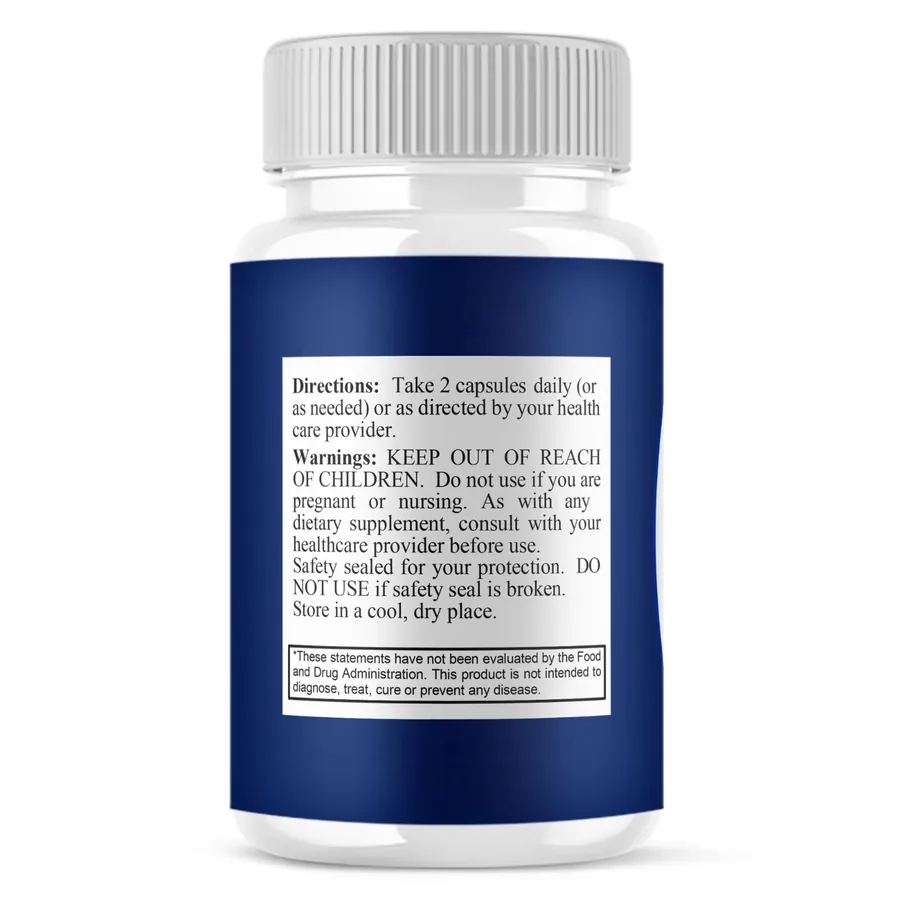
Taken as written, 2 capsules a day, you get 250 mg of magnesium from the capsule. The trouble is two small words in the directions. Tap each number on the back label.
- Take 2 capsules daily That is one serving: 250 mg of magnesium, under the 350 mg upper limit for supplements.
- "or as needed" This phrase has no ceiling. A second serving the same day means 500 mg, well over the limit.
- Pregnant or nursing The label says not to use the product at all during pregnancy or while nursing.
- Consult your provider A good moment to mention any bone medicine or antibiotic you take.
Our how to use page explains the full routine. On this page the rule is simple: do not go past 2 capsules in a day unless a clinician tells you to.
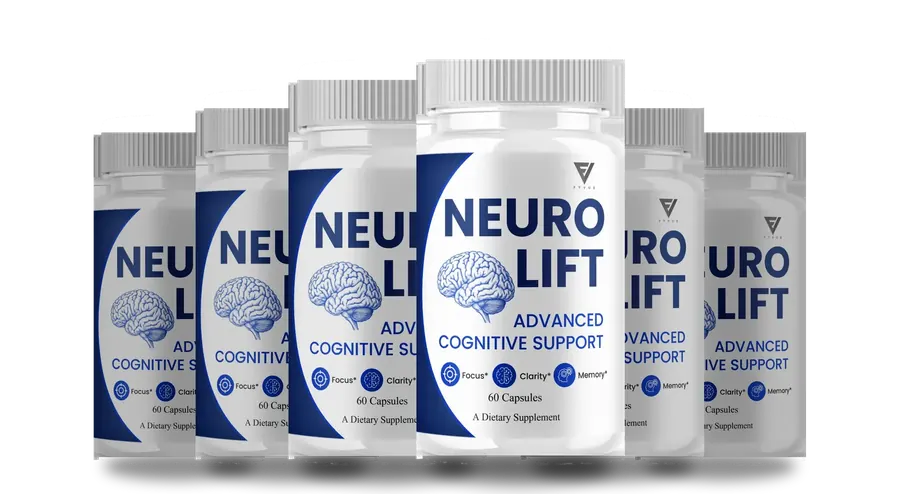
Thinking about Neuro Lift? The best price is on the 15-bottle pack.
15 bottles for $152.88, $10.19 a bottle. eBay Money Back Guarantee · Free US shipping · Secure checkout.
What do studies say about magnesium and memory?
Not enough to judge. A 2024 review in Advances in Nutrition found too few randomized trials to draw any conclusion about magnesium supplements and thinking (Adv Nutr 2024, Chen et al., Magnesium and cognitive health).
In the cohort studies, both low and high blood magnesium were linked with more dementia and memory trouble. That U-shaped pattern shows a link, not a cause, and it is not a reason to take more.
| Question | Short answer | Source |
|---|---|---|
| Do supplements help memory? | Trials are too few to say | (Adv Nutr 2024, Chen et al., Magnesium and cognitive health) |
| Does the NIH fact sheet cover memory? | No, it has no memory or dementia section | (NIH ODS, Magnesium (health professional)) |
| How well is oxide absorbed? | Less completely than citrate, aspartate, lactate or chloride | (NIH ODS, Magnesium (health professional)) |
| What is the Daily Value? | 420 mg | (NIH ODS, Magnesium (health professional)) |
What side effects and interactions come with magnesium oxide?
Loose stools are the main one. NIH says high doses from supplements or medicines often cause diarrhea, sometimes with nausea and cramps, and oxide is one of the forms most often reported to do it (NIH ODS, Magnesium (health professional)).
The 350 mg line
The upper limit covers magnesium from supplements and medicines, not food. One serving keeps you at 250 mg, which leaves 100 mg of room. Another product with magnesium can use up that room quickly, so add up every label you take.
Spacing it from medicines
Magnesium can reduce how well your body takes in bisphosphonates (bone medicines) and some antibiotics. The label gives no spacing advice, and neither do we: your pharmacist knows your exact drugs and can tell you how many hours to leave between them.
Who should skip the magnesium in this capsule?
Skip it if you are pregnant or nursing, since the label rules that out. Ask first if you take bone medicine, antibiotics or another magnesium product.
Magnesium check
Are you pregnant or nursing?
Do you take a bisphosphonate for your bones?
Are you on an antibiotic right now?
Do you take any other product that lists magnesium?
Do magnesium products tend to upset your bowels?
Answer every question to see your result. Nothing is saved or sent.
No flags. Keep to 2 capsules a day, and stop and call your doctor if loose stools start and do not settle.
Ask your pharmacist before you start. Bring this bottle and your other labels so they can check the 350 mg total and drug timing.
Skip Neuro Lift. The back label says not to use it while pregnant or nursing.
Where does magnesium fit in Neuro Lift?
It is one of four labeled vitamins and minerals, and the only one with a supplement limit close to the serving. The B vitamins, by contrast, sit far from any limit; see the B12 and folate page.
Think of the magnesium as a mineral top-up with a cost: oxide is less well absorbed and more likely to loosen stools. It is not a proven memory ingredient. For the whole label in one view, see the Supplement Facts page.
Magnesium oxide: questions people ask
Does magnesium help memory?
The evidence is too thin to say. A 2024 review found only 3 randomized trials, not enough to draw conclusions about magnesium supplements and thinking.
Which magnesium is best for memory?
No form has been shown to help memory in the sources we read. Forms differ in absorption: oxide is taken up less completely than citrate, aspartate, lactate or chloride.
Can magnesium oxide cause diarrhea?
Yes. NIH lists oxide among the forms most often reported to cause diarrhea, sometimes with nausea and cramps, when supplement doses run high.
How much magnesium is too much?
For adults, the upper limit from supplements and medicines is 350 mg a day. One serving of Neuro Lift gives 250 mg; a second serving in the same day would bring it to 500 mg.
Is magnesium oxide well absorbed?
Less well than several other forms. NIH says oxide is less completely absorbed than aspartate, citrate, lactate or chloride, and the 350 mg limit applies to supplements and medicines, not food.
Should I take magnesium at night?
The label does not set a time of day, and no source we read tested timing. What matters more is keeping Neuro Lift at 2 capsules a day and spacing it away from medicines that magnesium can block.
Does Neuro Lift have enough magnesium to fix a low level?
The label gives 250 mg, 60% of the 420 mg Daily Value. Whether that suits you depends on why you are low, which is a question for your doctor.
Why is the 420 mg Daily Value higher than the 350 mg limit?
The Daily Value covers magnesium from food and supplements together, while the upper limit covers supplements and medicines only. Food magnesium does not count toward the 350 mg.
Can magnesium affect my medicines?
It can reduce how well your body absorbs bisphosphonates, used for bone health, and some antibiotics. Ask your pharmacist how far apart to take them.
Page check
Written by
Writes and fact-checks every page against the Supplement Facts panel, the back label and public health sources.
Medically reviewed by
Dr. Gianna Link, MD, PhD, MD, Physician
Medical reviewer. Review date: October 12, 2026.
- Last checked October 12, 2026
- Facts from the bottle, the sales page and the sources cited above
- Found an error? Write to [email protected] or read how we check facts